Skip to content
AOD 9604 and GLP-1

AOD-9604 and GLP-1: Do They Work Well Together?

AOD-9604 and GLP-1 receptor agonist peptides are frequently discussed together in research and community contexts as a potential combination for fat loss. The idea has a superficially plausible mechanistic basis — both compounds have been studied in the context of lipid metabolism, but through entirely different pathways. Whether these pathways are genuinely complementary in a way that produces additive effects, or whether the combination offers little beyond the individual compounds, requires honest examination of the evidence.

GLP-1 and Cagrilintide Combination

GLP-1 and Cagrilintide Combination: Why Researchers Are Studying This Stack

CagriSema — the research designation for the combination of cagrilintide (an amylin analogue) with semaglutide — represents one of the more scientifically well-grounded combination approaches in current metabolic research. Unlike some peptide combinations that are studied based on theoretical synergy, the GLP-1/amylin combination has a mechanistic foundation that is reasonably well understood.

How GLP-1 Communicates Satiety to the Brain

The Gut-Brain Axis: How GLP-1 Communicates Satiety to the Brain

The concept of the gut-brain axis — bidirectional communication between the gastrointestinal system and the central nervous system — is central to understanding how GLP-1 suppresses appetite. GLP-1 is produced in the gut, but its most impactful effects on body weight are mediated through the brain. How the signal gets from the intestinal L-cells to the hypothalamic circuits controlling hunger is a fascinating piece of neurobiology that has practical implications for understanding GLP-1 receptor agonist pharmacology.

Insulin Resistance Explained

Insulin Resistance Explained: How GLP-1 Affects It

Insulin resistance is one of the most significant metabolic conditions in modern populations, underpinning type 2 diabetes, metabolic syndrome, non-alcoholic fatty liver disease, and cardiovascular risk. GLP-1 receptor agonists are among the most studied pharmaceutical interventions for improving insulin sensitivity. Understanding how insulin resistance develops and the mechanisms by which GLP-1R agonism addresses it provides essential context for anyone researching these compounds.

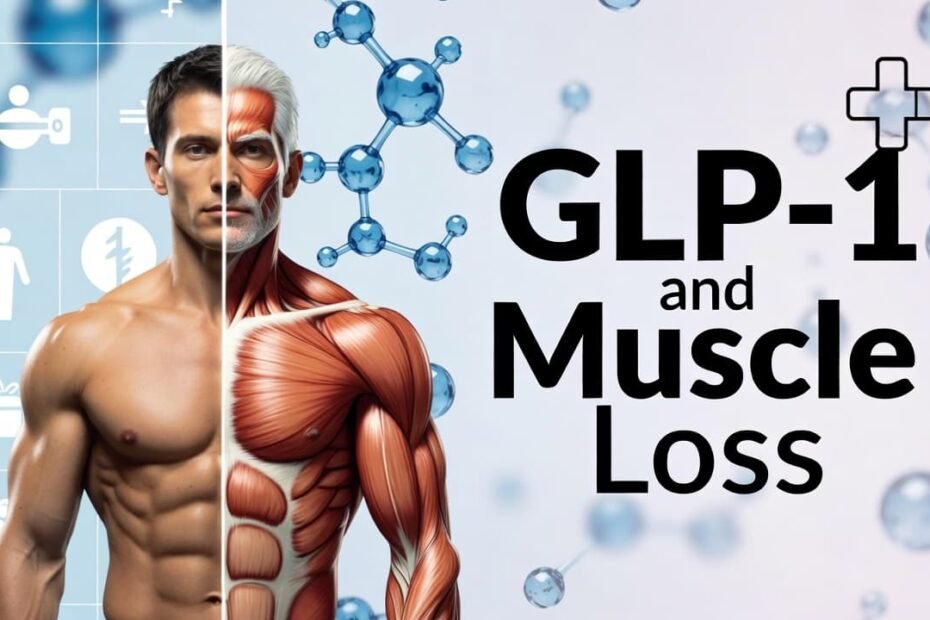
GLP-1 and Muscle Loss

GLP-1 and Muscle Loss: What the Research Says

One of the most significant concerns about GLP-1 receptor agonist use is the potential for loss of muscle mass alongside fat loss. This concern is scientifically legitimate — any substantial caloric deficit, regardless of how it is induced, results in some lean mass loss alongside fat loss. The relevant questions are: how much lean mass is lost with GLP-1R agonists specifically, how does this compare to other weight loss methods, and what can be done to minimise it.

Tirzepatide vs Semaglutide vs Retatrutide: Comparing Receptor Profiles

The landscape of GLP-1-based peptides has evolved rapidly. Where semaglutide established the clinical value of sustained GLP-1 receptor agonism, tirzepatide added GIP receptor co-activation, and retatrutide has extended the approach further to include the glucagon receptor. Each addition changes not just the potency but the character of the metabolic response. This article examines all three side by side.