Skip to content
AOD 9604 and GLP-1

AOD-9604 and GLP-1: Do They Work Well Together?

AOD-9604 and GLP-1 receptor agonist peptides are frequently discussed together in research and community contexts as a potential combination for fat loss. The idea has a superficially plausible mechanistic basis — both compounds have been studied in the context of lipid metabolism, but through entirely different pathways. Whether these pathways are genuinely complementary in a way that produces additive effects, or whether the combination offers little beyond the individual compounds, requires honest examination of the evidence.

Fat loss

Caloric Deficit vs Hormonal Approach to Fat Loss: What Research Says

Few topics in nutrition and metabolic research generate more debate than whether fat loss is primarily a matter of caloric balance or hormonal regulation. The ‘calories in, calories out’ camp argues that energy balance is the fundamental determinant of body fat change, and hormones are merely mechanisms that influence one side of the equation or the other. The ‘hormonal’ camp argues that insulin, leptin, GLP-1, and other metabolic hormones so fundamentally determine fat storage and mobilisation that caloric counting misses the point.

GLP-1 and Cagrilintide Combination

GLP-1 and Cagrilintide Combination: Why Researchers Are Studying This Stack

CagriSema — the research designation for the combination of cagrilintide (an amylin analogue) with semaglutide — represents one of the more scientifically well-grounded combination approaches in current metabolic research. Unlike some peptide combinations that are studied based on theoretical synergy, the GLP-1/amylin combination has a mechanistic foundation that is reasonably well understood.

How GLP-1 Communicates Satiety to the Brain

The Gut-Brain Axis: How GLP-1 Communicates Satiety to the Brain

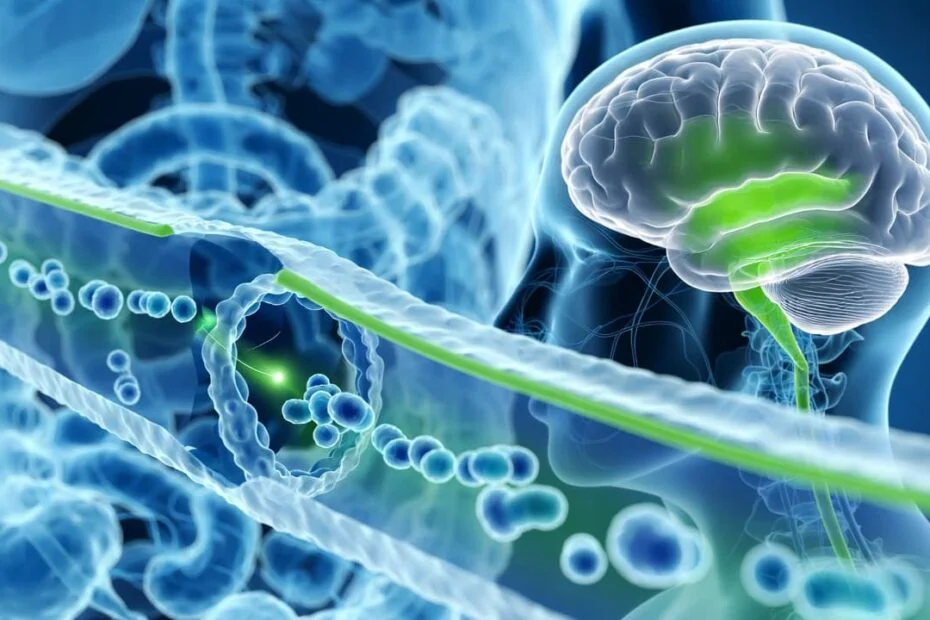
The concept of the gut-brain axis — bidirectional communication between the gastrointestinal system and the central nervous system — is central to understanding how GLP-1 suppresses appetite. GLP-1 is produced in the gut, but its most impactful effects on body weight are mediated through the brain. How the signal gets from the intestinal L-cells to the hypothalamic circuits controlling hunger is a fascinating piece of neurobiology that has practical implications for understanding GLP-1 receptor agonist pharmacology.

Insulin Resistance Explained

Insulin Resistance Explained: How GLP-1 Affects It

Insulin resistance is one of the most significant metabolic conditions in modern populations, underpinning type 2 diabetes, metabolic syndrome, non-alcoholic fatty liver disease, and cardiovascular risk. GLP-1 receptor agonists are among the most studied pharmaceutical interventions for improving insulin sensitivity. Understanding how insulin resistance develops and the mechanisms by which GLP-1R agonism addresses it provides essential context for anyone researching these compounds.

Peptides stored in a fridge

How to Store GLP-1 Peptides Correctly

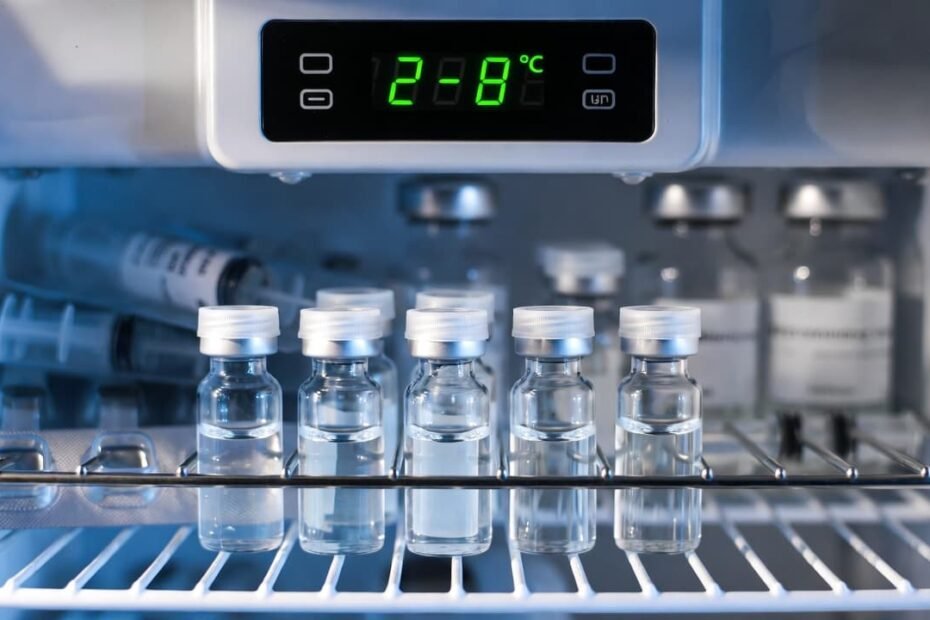
Proper storage of GLP-1 research peptides is essential for maintaining their activity and purity. GLP-1 receptor agonist peptides — particularly those with fatty acid chain modifications like semaglutide and retatrutide — have specific storage requirements that differ somewhat from simpler linear peptides. Incorrect storage can lead to degradation, aggregation, and loss of biological activity.

Weight Loss Plateaus

What Causes Weight Loss Plateaus and What Research Suggests About Breaking Them

Weight loss plateaus are a near-universal experience in sustained caloric restriction. An individual begins losing weight steadily, then at some point — despite continuing to follow the same dietary approach — weight loss slows dramatically or stops entirely. This is not a failure of willpower or discipline. It is a predictable biological response to sustained energy deficit, mediated by well-characterised adaptive mechanisms. Understanding those mechanisms is the foundation for rational strategies to address them.