Skip to content
Fat loss

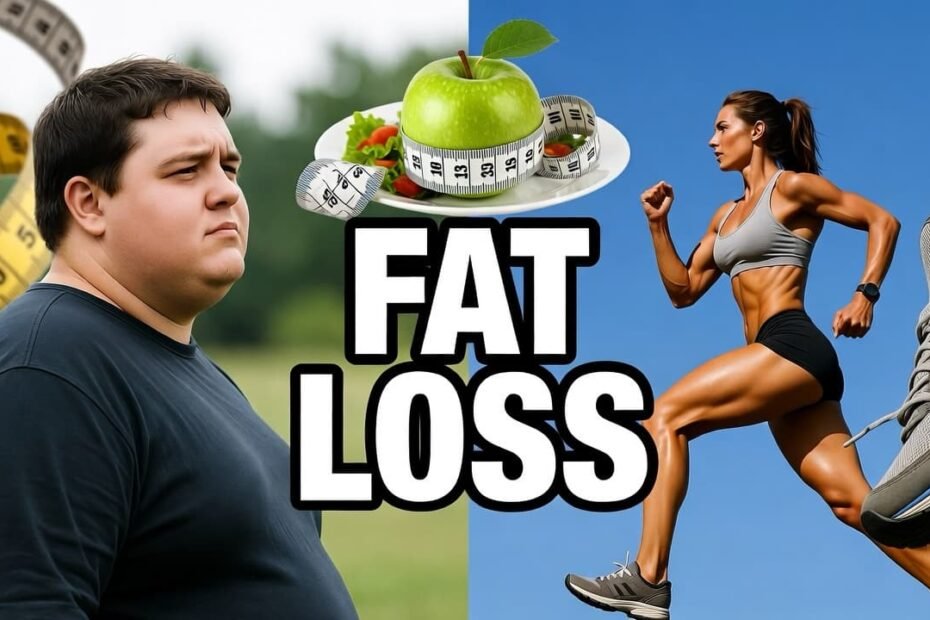
Caloric Deficit vs Hormonal Approach to Fat Loss: What Research Says

Few topics in nutrition and metabolic research generate more debate than whether fat loss is primarily a matter of caloric balance or hormonal regulation. The ‘calories in, calories out’ camp argues that energy balance is the fundamental determinant of body fat change, and hormones are merely mechanisms that influence one side of the equation or the other. The ‘hormonal’ camp argues that insulin, leptin, GLP-1, and other metabolic hormones so fundamentally determine fat storage and mobilisation that caloric counting misses the point.
Weight Loss Plateaus

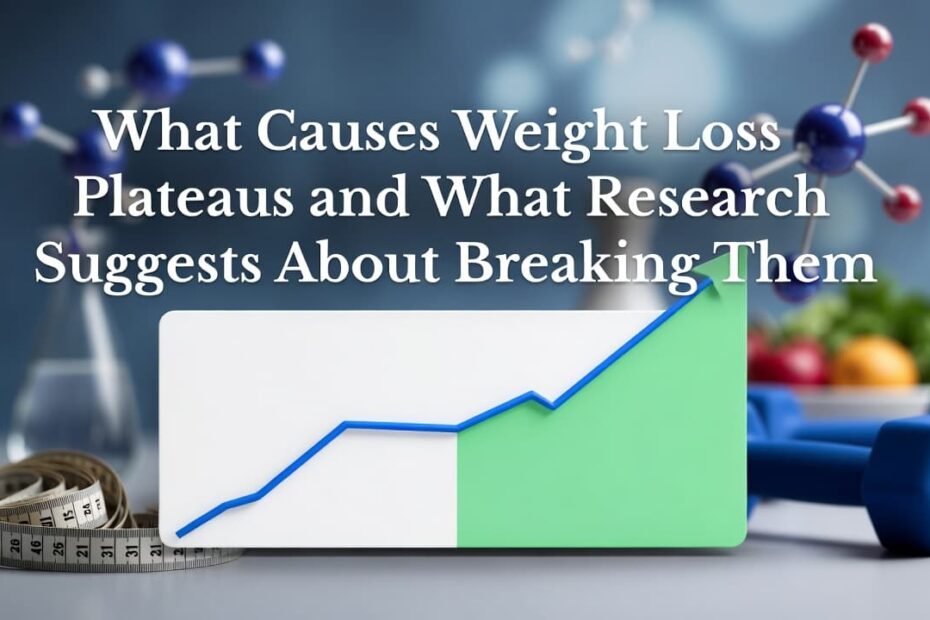
What Causes Weight Loss Plateaus and What Research Suggests About Breaking Them

Weight loss plateaus are a near-universal experience in sustained caloric restriction. An individual begins losing weight steadily, then at some point — despite continuing to follow the same dietary approach — weight loss slows dramatically or stops entirely. This is not a failure of willpower or discipline. It is a predictable biological response to sustained energy deficit, mediated by well-characterised adaptive mechanisms. Understanding those mechanisms is the foundation for rational strategies to address them.

GLP-1 and Muscle Loss

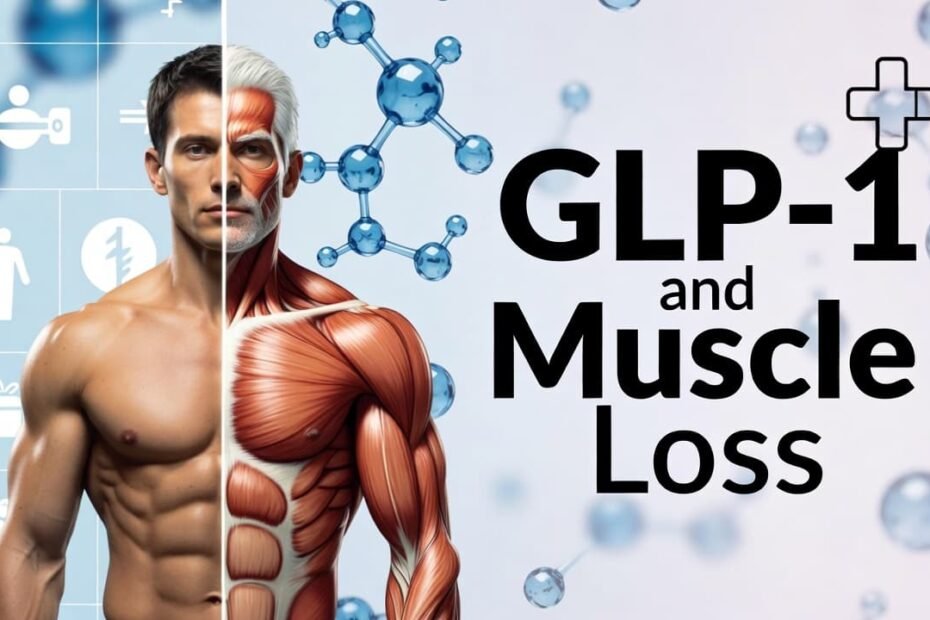
GLP-1 and Muscle Loss: What the Research Says

One of the most significant concerns about GLP-1 receptor agonist use is the potential for loss of muscle mass alongside fat loss. This concern is scientifically legitimate — any substantial caloric deficit, regardless of how it is induced, results in some lean mass loss alongside fat loss. The relevant questions are: how much lean mass is lost with GLP-1R agonists specifically, how does this compare to other weight loss methods, and what can be done to minimise it.